Serving Waynesville & Western North Carolina Since 2015

Professional Home Inspections in Western North Carolina

Spire Home Inspection offers thorough home inspection services for buyers, sellers, and homeowners in Waynesville and throughout Western North Carolina. The inspection process is designed to provide a clear, honest picture of a home’s visible condition before important decisions are made.

See a Sample Inspection Report →

Why Choose Spire Home Inspection?

Buying a home is one of the largest investments you’ll ever make. At Spire Home Inspection, every inspection is personally performed by North Carolina Licensed Home Inspector Skip Tucker (License #3611). In business since 2015, we provide thorough, unbiased inspections throughout Waynesville and Western North Carolina, along with detailed digital reports, photographs, and clear explanations to help you make informed decisions with confidence.

Whether you’re buying your first home, a mountain cabin, a vacation property, or an investment home, you’ll receive the information you need to understand the property’s condition before closing.

What Your Home Inspection Includes

A professional home inspection is a comprehensive visual evaluation of your home’s major systems and accessible components. At Spire Home Inspection, every inspection is performed in accordance with the North Carolina Home Inspector Licensure Board Standards of Practice and is designed to help you better understand the condition of the property before making important decisions.

During your home inspection, we’ll evaluate the following systems and components:

Structure & Exterior

  • Foundation
  • Floors
  • Walls
  • Columns and support piers
  • Ceilings
  • Roof structure
  • Siding and exterior trim
  • Flashing
  • Doors and windows
  • Garage doors and openers
  • Decks, porches, steps, and railings
  • Driveways and walkways
  • Grading and drainage
  • Retaining walls (visual inspection)

Roofing & Attic

  • Roof coverings
  • Flashings
  • Gutters and drainage systems
  • Chimneys
  • Skylights
  • Roof penetrations
  • Attic insulation
  • Crawlspace insulation
  • Vapor barriers
  • Attic ventilation
  • Crawlspace ventilation
  • Kitchen, bathroom, and laundry exhaust ventilation

Plumbing

  • Water supply piping
  • Fixtures and faucets
  • Functional water flow
  • Drain, waste, and vent systems
  • Functional drainage
  • Water heater

Electrical

  • Main electrical service
  • Electrical panels and subpanels
  • Branch wiring
  • Receptacles and switches
  • Light fixtures
  • Ceiling fans
  • Smoke detectors

Heating & Cooling

  • Heating equipment
  • Central air conditioning
  • Distribution systems
  • Fireplaces
  • Gas log units (visual inspection only)
  • Chimneys and flues

Interior & Appliances

  • Walls and ceilings
  • Floors
  • Doors
  • Stairways
  • Railings
  • Countertops
  • Built-in cabinets
  • Range
  • Oven
  • Cooktop
  • Built-in microwave
  • Range hood
  • Dishwasher
  • Garbage disposal
  • Trash compactor (when installed)

Important information: Your inspection is a visual, non-invasive evaluation performed in accordance with the North Carolina Home Inspector Licensure Board Standards of Practice. Some systems and components may not be fully evaluated if they are inaccessible, concealed, or not safely operable at the time of inspection. For example, home inspectors are not permitted to light pilot lights or start fires in fireplaces or gas log units. For a complete description of what is included and excluded, please refer to the North Carolina Standards of Practice.

What a Thorough Inspection Can Reveal

Many significant conditions are not immediately visible during a typical property showing. A professional inspection can identify safety concerns, moisture intrusion, damaged components, improper installations, and deferred maintenance.

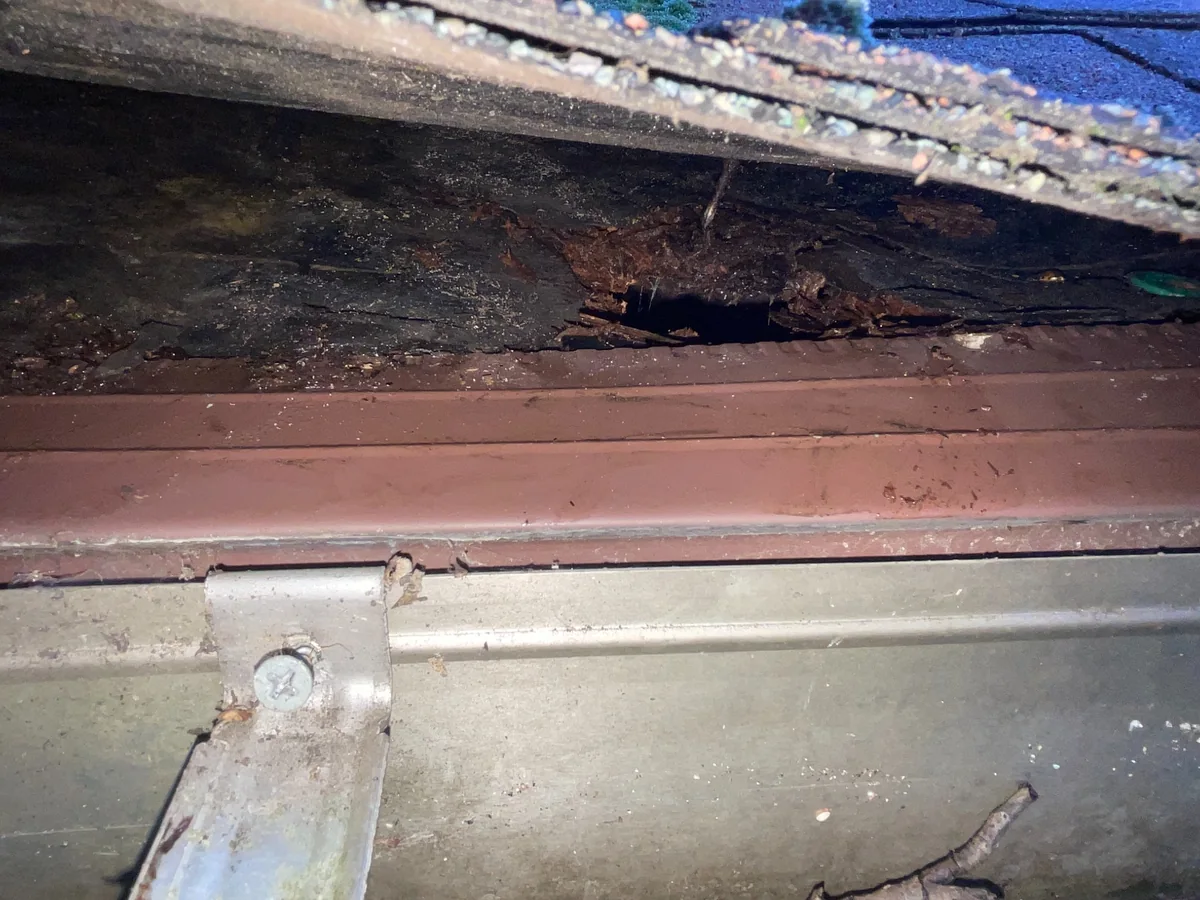
Moisture-related wood decay at the edge of a roof

Roof and Moisture Damage

Moisture-related deterioration and wood decay observed at a roof edge.

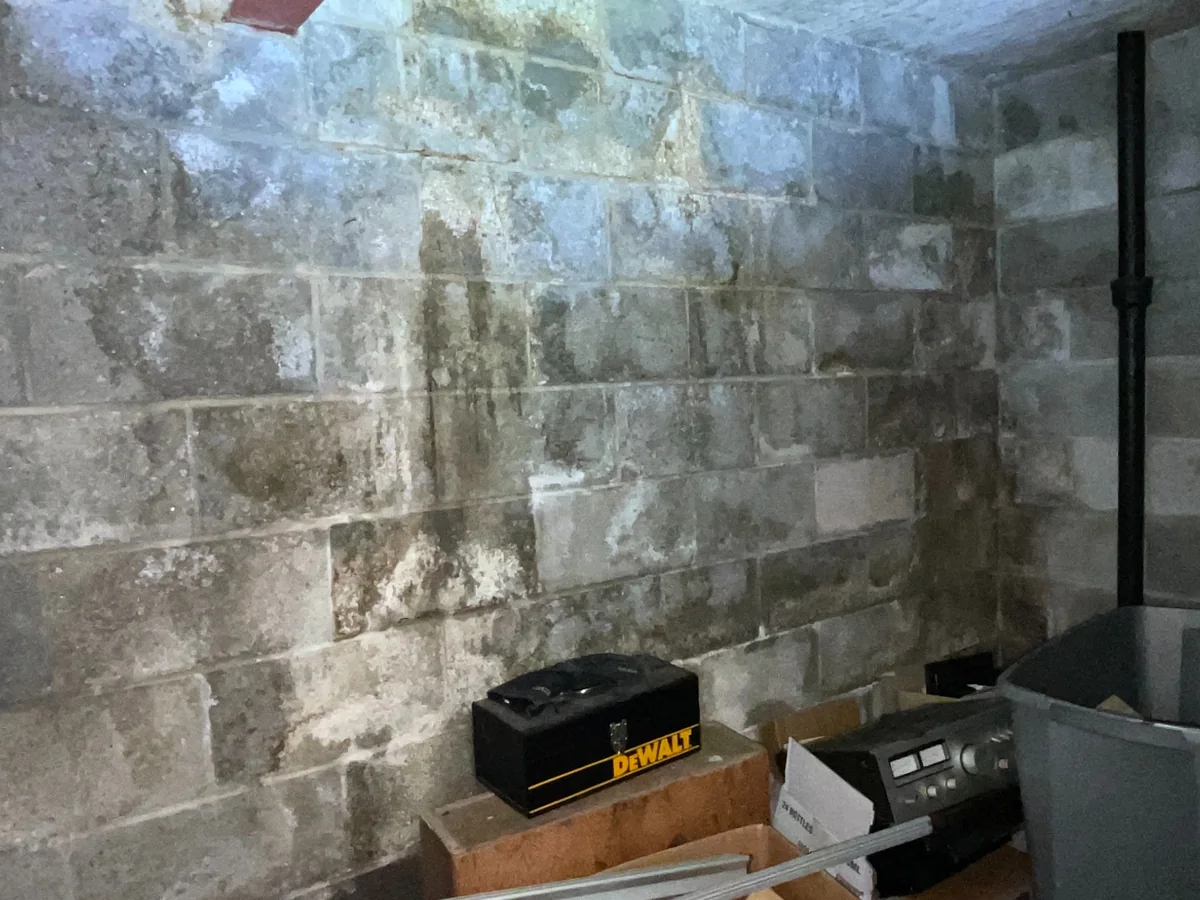
Moisture staining and mineral deposits on a block foundation wall

Foundation Moisture

Moisture staining and mineral deposits observed on a block foundation wall.

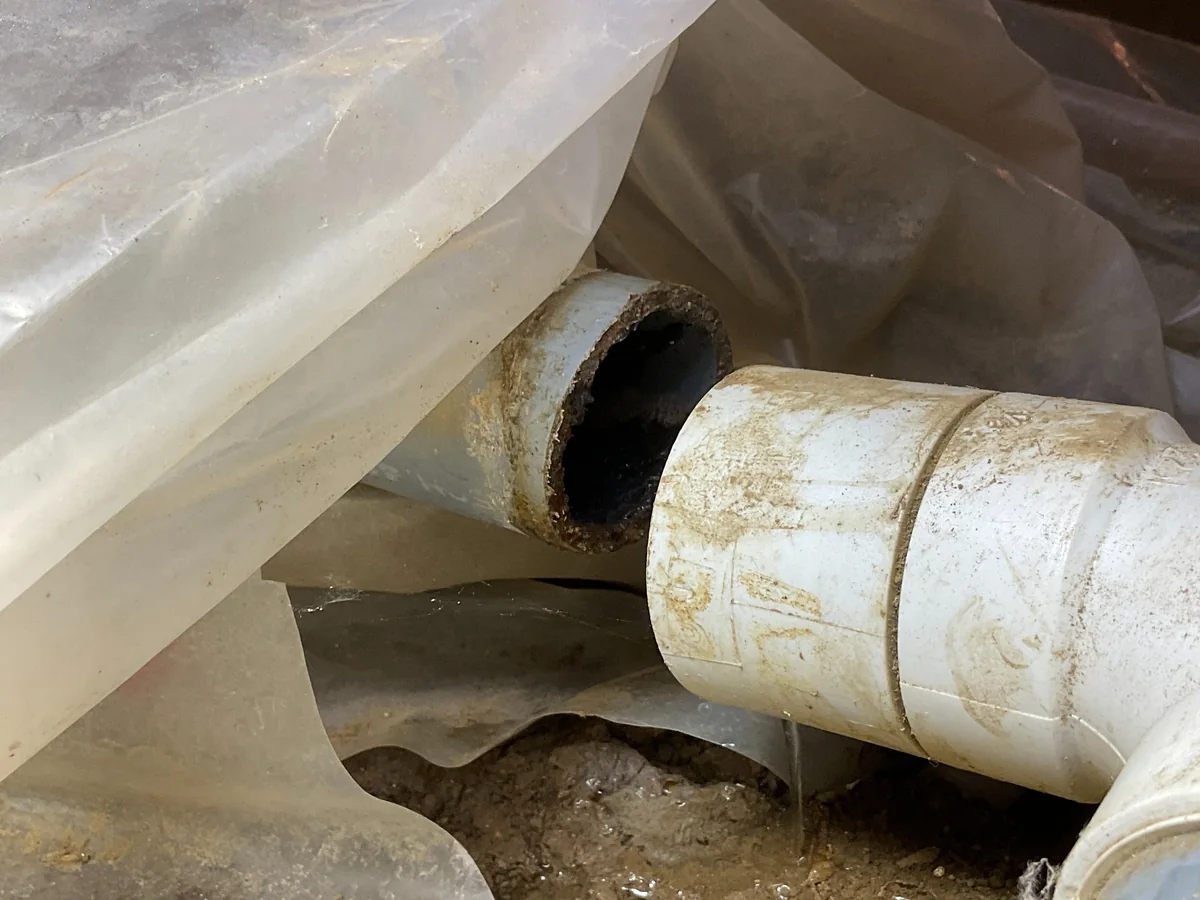
Disconnected drain piping in a crawlspace

Disconnected Drain Piping

Disconnected drain piping observed within a crawlspace.

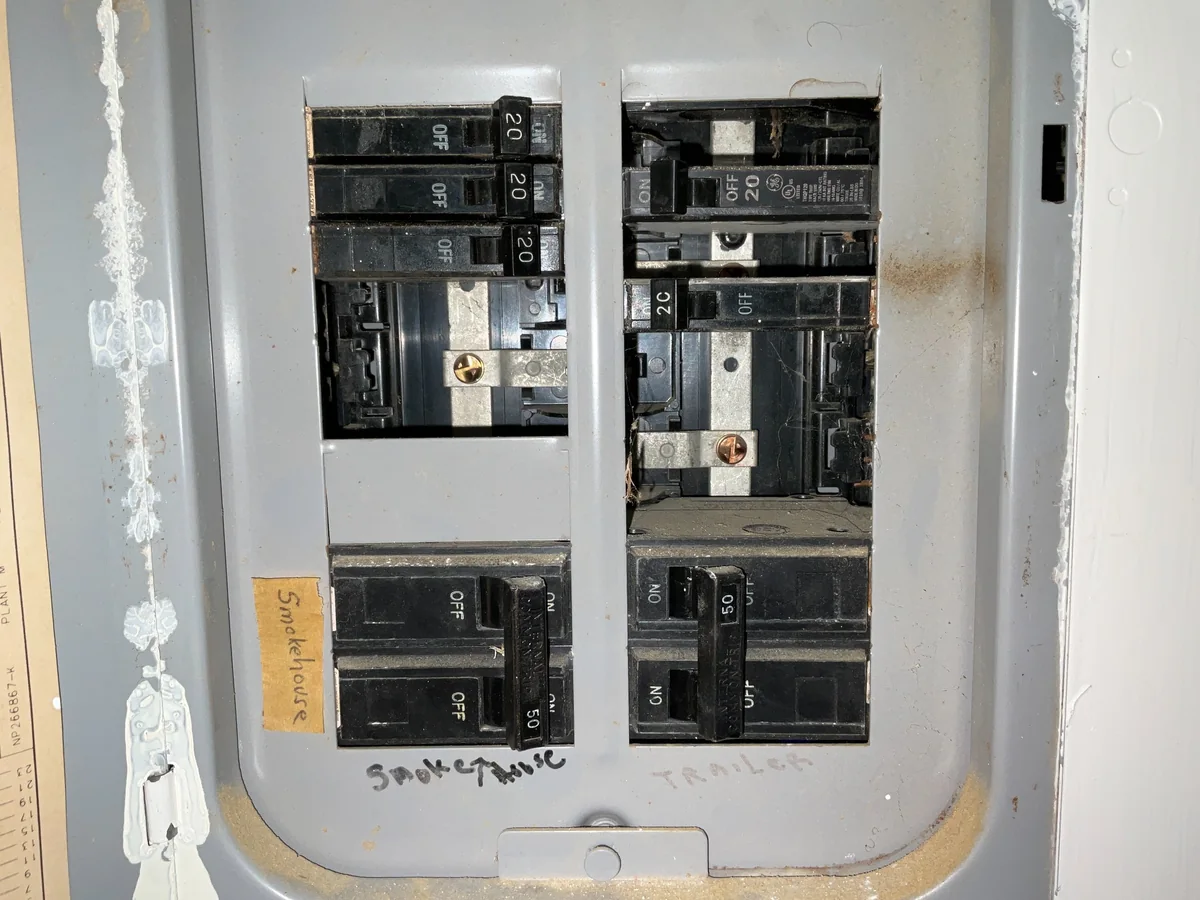
Open breaker spaces in an electrical panel cover

Electrical Safety Concerns

Open spaces in an electrical panel cover can expose internal components.

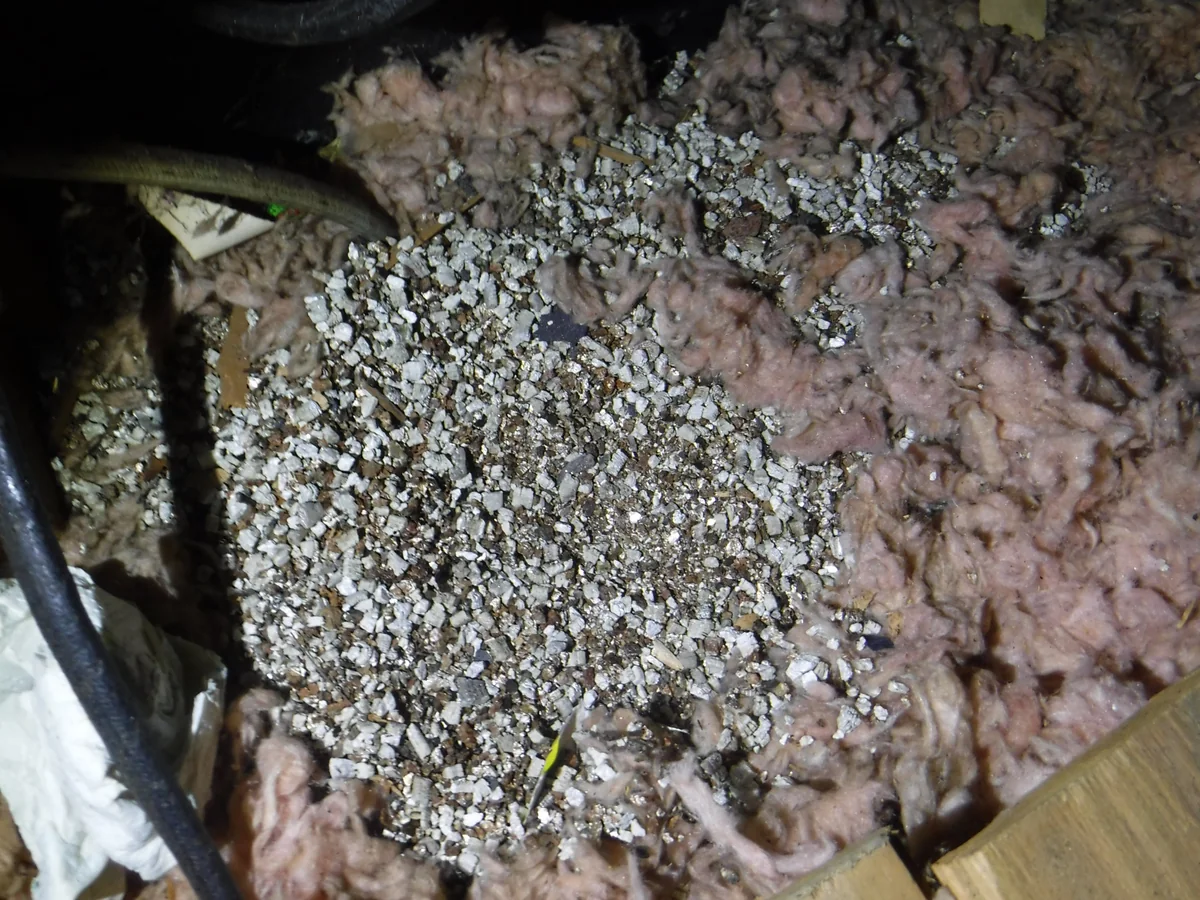
Vermiculite-style insulation observed in an attic

Vermiculite Insulation Concern

Vermiculite insulation was observed in the attic. Some vermiculite products may contain asbestos, so laboratory testing is needed before disturbance or removal.

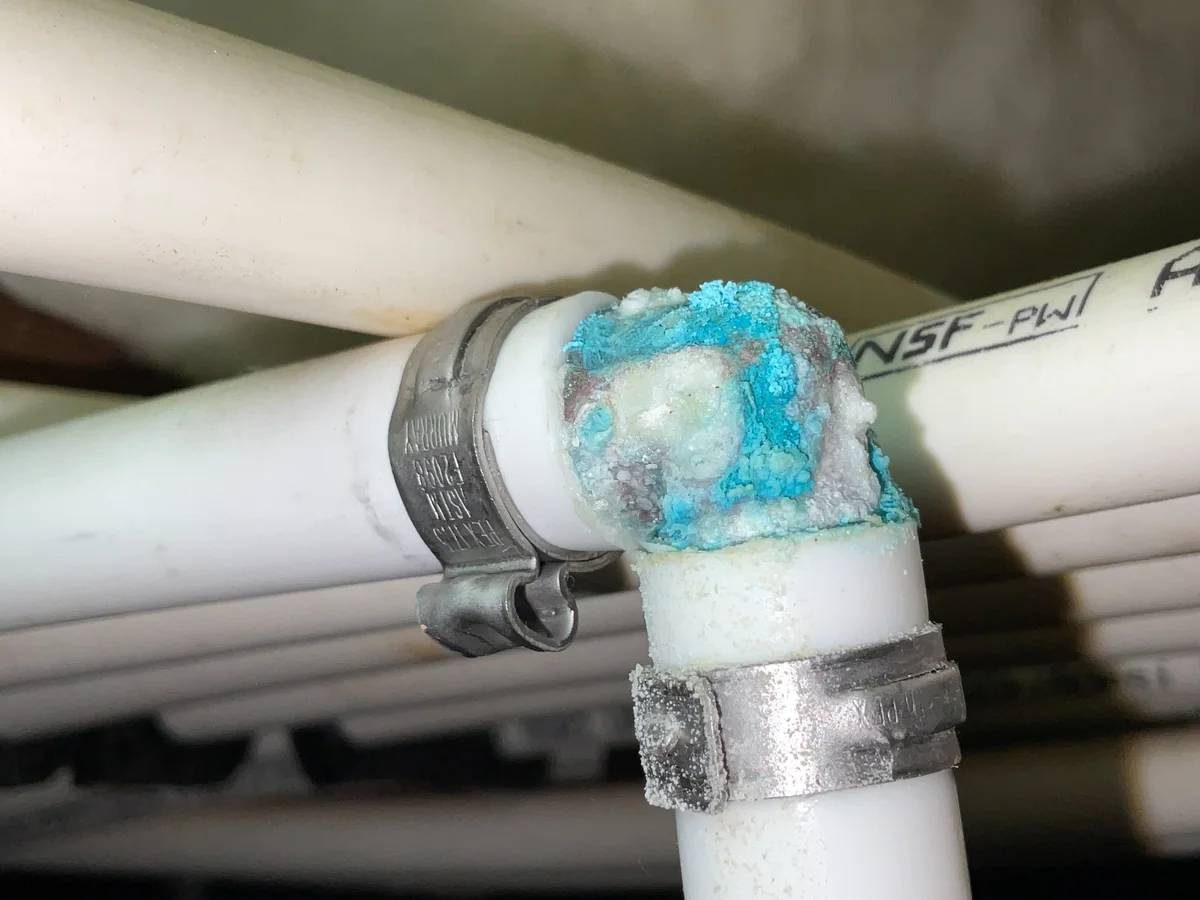
Blue-green and white corrosion deposits at a PEX plumbing fitting

PEX Fitting Corrosion

Blue-green and white deposits consistent with corrosion and possible dezincification were observed at a PEX fitting. Deterioration can contribute to leakage or premature fitting failure.

A Clear, Straightforward Inspection Process

1

Schedule

Request an inspection and provide the property information.

2

Inspect

The accessible systems and components are carefully inspected and documented.

3

Review

Receive a detailed digital report with photographs and clear explanations of the findings.

Before Your Inspection

Preparing for Your Inspection

To ensure a complete and accurate home inspection, all utilities must be turned on and fully operational before the inspection begins. Home inspectors are not permitted to activate utilities that have been shut off, including electrical breakers, water or gas shutoff valves, or pilot lights. Because the reason these systems were turned off cannot be determined, they cannot be safely restored during the inspection.

For the most comprehensive inspection possible, all areas of the home should also be accessible. Please ensure that access panels, attic and crawlspace entrances, utility rooms, garages, and any locked doors are unlocked and available for inspection. Please secure pets before the inspection.

What to Expect During Your Home Inspection

A typical home inspection takes approximately four hours, although larger homes, older properties, detached structures, or additional services such as radon testing may require additional time. Your inspection is a thorough, unbiased visual evaluation of the home’s major systems and components. Throughout the inspection, questions are always welcome, and we encourage clients to attend whenever possible.

Your Inspection Report

Following the inspection, you’ll receive a detailed digital report that includes:

  • Clear descriptions of observed deficiencies
  • High-quality photographs
  • Safety concerns
  • Maintenance recommendations
  • Information about important home systems and components
  • Locations of shutoff valves, filters, and other routine maintenance items when appropriate

Every report is designed to help you better understand the home’s condition so you can make informed decisions with confidence.

After the Inspection

If significant concerns are identified, we’ll explain their importance and recommend appropriate next steps. When necessary, further evaluation or repairs may be recommended by a licensed contractor specializing in the appropriate trade. Our goal is to provide the information you need, not to tell you whether to buy the home. The decision is always yours.

Understanding Your Home Inspection

A home inspection is not a pass-or-fail evaluation. Every home has strengths and maintenance needs. The inspection report documents the home’s condition on the day of the inspection and serves as a valuable tool for understanding the property’s current condition, planning future maintenance, and making informed purchasing decisions.
Frequently Asked Questions About Home Inspections

What does a home inspection consist of?

A home inspection is a comprehensive visual evaluation of a home’s major systems and accessible components. During the inspection, we examine the roof, exterior, foundation, crawlspace, attic, plumbing, electrical system, heating and cooling equipment, insulation, windows, doors, decks, and other visible areas. Following the inspection, you’ll receive a detailed digital report with photographs and clear explanations of any observed deficiencies or maintenance concerns.

What do home inspectors look for?

A home inspector looks for safety hazards, significant defects, signs of water intrusion, structural concerns, deferred maintenance, and conditions that may require repair or further evaluation. Our goal is to provide an accurate assessment of the home’s current condition so you can make informed decisions before purchasing or maintaining a property.

How long does a home inspection take?

Most home inspections take approximately 4 hours, depending on the size, age, and condition of the home. Larger homes, older properties, homes with crawlspaces, detached structures, or additional services such as radon testing may require additional time.

Should I attend my home inspection?

Yes. We encourage our clients to attend the inspection whenever possible. Walking through the home together gives you the opportunity to ask questions, better understand the property’s systems, and learn about routine maintenance that can help protect your investment.

What happens after the home inspection?

After the inspection is complete, you’ll receive a detailed digital report that includes photographs, descriptions of observed conditions, and recommendations for repairs, maintenance, or further evaluation when appropriate. This information can help you negotiate repairs, plan future maintenance, or better understand your home.

Does a home inspection include radon testing?

A standard home inspection does not automatically include radon testing. However, professional radon testing can be added to your inspection. Because radon is a naturally occurring radioactive gas that cannot be seen or smelled, testing is the only way to determine whether elevated levels are present in a home.

Does a USDA, FHA, or VA loan require a home inspection?

In Western North Carolina, most buyers using conventional, FHA, VA, or USDA financing choose to have a professional home inspection before closing. Mountain homes often have unique features such as crawlspaces, retaining walls, private wells, septic systems, and moisture concerns that make a comprehensive inspection especially valuable.

Why are home inspections especially important in Western North Carolina?

Homes throughout Western North Carolina face unique environmental conditions, including steep terrain, heavy rainfall, high humidity, and seasonal weather changes. Mountain homes may also have crawlspaces, retaining walls, private wells, septic systems, and elevated radon potential. A professional home inspection helps identify these and other conditions before they become costly problems.

Do you inspect new construction homes?

Yes. Even newly constructed homes can have defects or incomplete work. A professional inspection before your final walkthrough or closing can help identify issues that should be addressed by the builder before you take ownership.

What areas do you serve?

Spire Home Inspection serves Waynesville and communities throughout Western North Carolina, including Haywood County, Buncombe County, Jackson County, Macon County, Swain County, Henderson County, Madison County, Transylvania County, Graham County, Clay County, Cherokee County, and Yancey County.

Selling Your Home?

A pre-listing inspection can help you understand the home’s condition before it goes on the market and give you time to consider repairs before the buyer’s inspection.

Learn About Pre-Listing Inspections →

Schedule Your Home Inspection Today

Whether you’re purchasing a home in Waynesville, Asheville, Sylva, Franklin, Hendersonville, Bryson City, or anywhere in Western North Carolina, Spire Home Inspection provides the information you need to make confident decisions.