Foundation Cracks
The gas typically enters through cracks in concrete slabs and gaps in foundation walls.
Serving Waynesville & Western North Carolina
Spire Home Inspection provides professional radon testing throughout Western North Carolina. Whether you’re purchasing a home, testing your current residence, or meeting lender requirements, we proudly serve homeowners throughout the region.
Starting at $150
Spire Home Inspection provides professional radon testing throughout Western North Carolina. Whether you’re purchasing a home, testing your current residence, or meeting lender requirements, we proudly serve homeowners in Haywood County, Swain County, Henderson County, Clay County, Cherokee County, Buncombe County, Jackson County, Macon County, Madison County, Transylvania County, Graham County, and Yancey County.
Click any county above to learn more about our home inspection services, common inspection issues, mountain home considerations, private wells, and other local concerns specific to your area.
Radon is a colorless, odorless, radioactive gas that forms naturally from the breakdown of uranium and other radioactive elements found in soil, rock, and groundwater. It is present everywhere in the environment, typically at low levels in outdoor air and natural water sources such as rivers and streams. However, radon can accumulate to much higher concentrations inside homes and other enclosed spaces.
Exposure to elevated radon levels is a significant health concern. According to the U.S. Environmental Protection Agency (EPA), radon is the leading cause of lung cancer among non-smokers and is responsible for an estimated 21,000 deaths each year in the United States.
Because radon is invisible and has no odor or taste, the only way to know if your home has elevated levels is through testing. The cost of a radon test is a small investment in protecting the health and safety of your family. It is generally recommended that homes be tested for radon every two years, or after any significant structural changes or renovations.
Radon can enter a home through virtually any opening where the structure contacts the ground. Elevated radon levels can occur in homes with basements, crawlspaces, or slab foundations.
The gas typically enters through cracks in concrete slabs and gaps in foundation walls.
In homes with crawlspaces, radon can also seep through gaps in the flooring and framing system.
Openings around plumbing or utility penetrations can provide pathways into the home.
Openings where the structure contacts the ground can allow radon to enter enclosed spaces.
Heavy rain, snow cover, and changes in barometric pressure or wind conditions can temporarily affect how radon moves through the soil and into a home.
Radon levels can vary significantly from one home to another, even between neighboring properties located only a few feet apart. Because of this variability, the only reliable way to determine the radon level in a home is through testing.
Newer homes are often built to be more energy efficient and airtight than older construction. While this improves energy performance, it can also reduce natural ventilation, allowing radon to accumulate to higher levels indoors.
Starting at $150
Radon gas breaks down into solid radioactive particles known as radon progeny. These particles attach to dust and other airborne materials inside the home and can be inhaled during normal breathing. Once inside the lungs, they continue to break down and release radiation that can damage the DNA in surrounding cells.
Over time, this exposure increases the risk of lung cancer. For this reason, the U.S. Environmental Protection Agency (EPA) recommends mitigation for any home with radon levels at or above 4.0 picocuries per liter (pCi/L).
Radon is a naturally occurring radioactive gas produced by the breakdown of uranium in soil and rock. It is colorless, odorless, and tasteless, so it cannot be detected without specialized testing equipment. Radon can enter a home through cracks in foundations, crawlspaces, basement floors, utility penetrations, and other openings in contact with the soil.
The U.S. Environmental Protection Agency (EPA) identifies radon as the second leading cause of lung cancer in the United States and the leading cause among non-smokers. The only way to know your home’s radon level is to perform a professional radon test.
Yes. Many homes throughout Western North Carolina have elevated radon levels due to the area’s geology. Homes in Haywood, Buncombe, Jackson, Macon, Henderson, Transylvania, Madison, Swain, Graham, Cherokee, Clay, and Yancey counties can all have elevated radon concentrations regardless of the home’s age, size, or construction type.
Yes. A newly constructed home can have high radon levels just as easily as an older home. Modern homes are often built to be more energy efficient, which can reduce natural ventilation and allow radon gas to accumulate indoors.
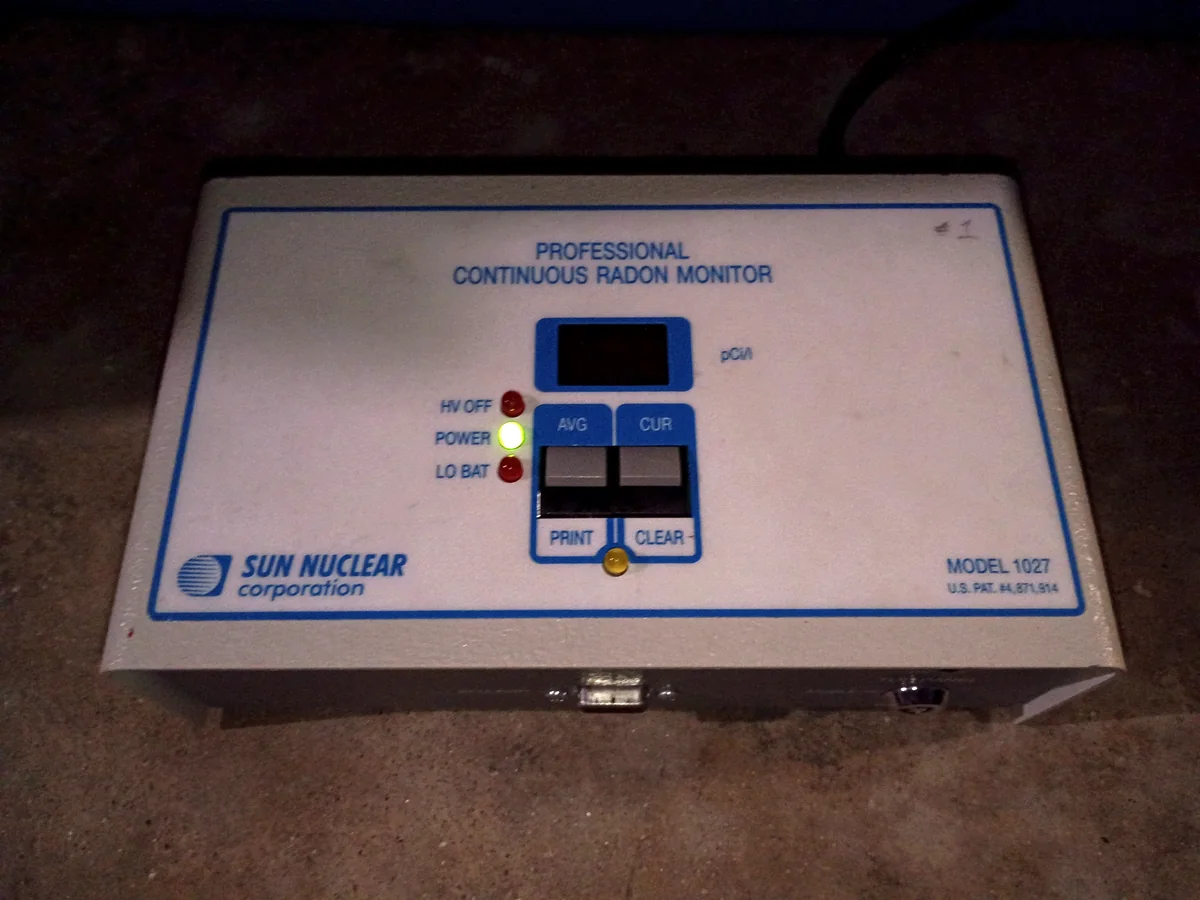
A standard real estate radon test typically lasts a minimum of 48 hours using a continuous radon monitor. After the testing period is complete, the results are downloaded and included in a detailed report.
No. You can continue living in the home during the testing period. However, EPA testing protocols require maintaining closed-house conditions, which means keeping windows closed and limiting the use of exterior doors except for normal entry and exit.
The EPA recommends mitigation when radon levels are at 4.0 pCi/L or above. A qualified radon mitigation contractor can install a mitigation system designed to reduce indoor radon levels, and a follow-up test should be performed to verify the system’s effectiveness.
The EPA recommends testing every home at least once. Retesting is also recommended after installing a mitigation system, after major renovations, when finishing a basement, or if significant changes are made to the home’s heating or ventilation systems.
Yes. Two neighboring homes can have dramatically different radon levels even if they were built at the same time and on the same street. The only reliable way to determine a home’s radon level is through professional testing.
Yes. Spire Home Inspection provides professional residential radon testing throughout Western North Carolina using continuous radon monitoring equipment. Radon testing can be scheduled as a standalone service or combined with a home inspection for buyers, sellers, and homeowners who want to better understand their indoor air quality.
Spire Home Inspection provides professional residential radon testing throughout Western North Carolina using continuous radon monitoring equipment. Radon testing can be scheduled as a standalone service or combined with a home inspection for buyers, sellers, and homeowners who want to better understand their indoor air quality.
Inspector Nation Radon Certification #CRS03611NC Licensed Home Inspector #3611
Starting at $150