Termites
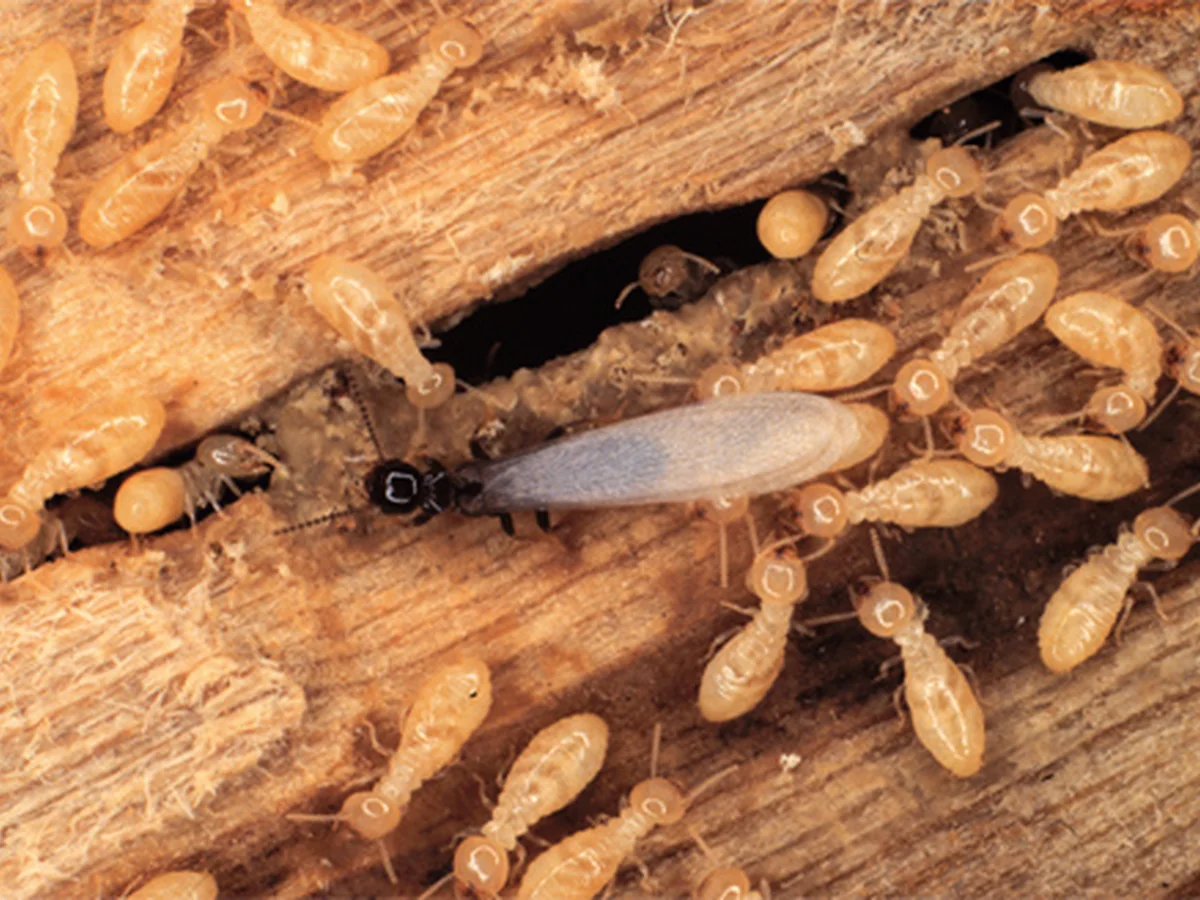
Termites consume cellulose-containing materials and may cause damage that is not immediately visible.
Serving Waynesville & Western North Carolina
Spire Home Inspection coordinates professional Wood-Destroying Insect Reports (WDIR) for home buyers, sellers, homeowners, and real estate transactions throughout Western North Carolina. Whether your lender requires a WDIR or you simply want greater confidence in a property’s condition, we can help ensure the inspection is completed as part of your home inspection process.
A Wood-Destroying Insect Report, commonly called a WDIR, documents visible evidence of wood-destroying insects and conditions that may contribute to infestation. The report may include evidence of termites, powderpost beetles, carpenter ants, and other wood-destroying organisms observed during the inspection.
A WDIR may be requested during a real estate transaction or when a property owner wants additional documentation about visible conditions. It is often coordinated alongside a home inspection.
Wood-destroying insects can damage structural and finish wood, and some activity may remain concealed until visible signs develop. The type and extent of observed evidence must be determined by the professional completing the WDIR.
Termites consume cellulose-containing materials and may cause damage that is not immediately visible.
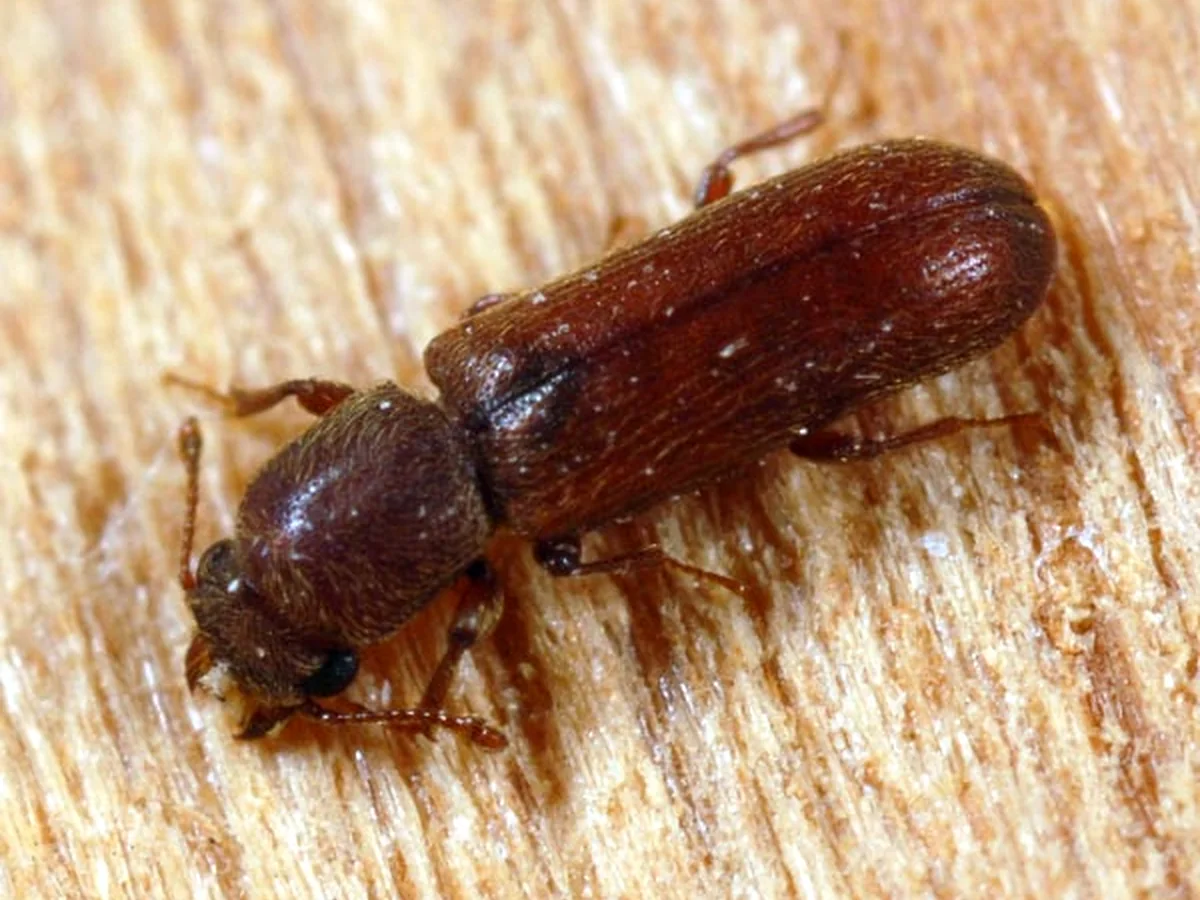
Powderpost beetle larvae can tunnel through wood and may leave small exit holes or powder-like material.
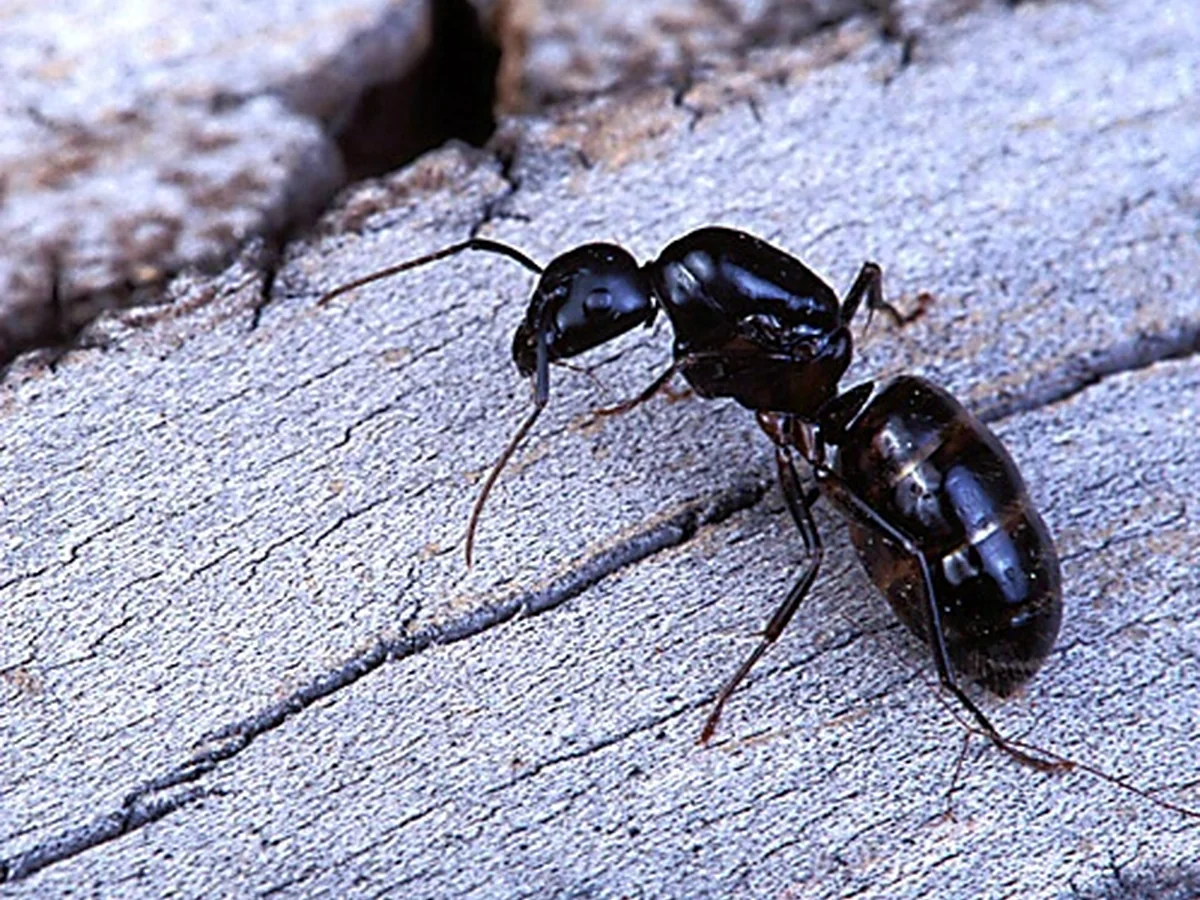
Carpenter ants excavate wood for nesting and are often associated with damp or deteriorated areas.
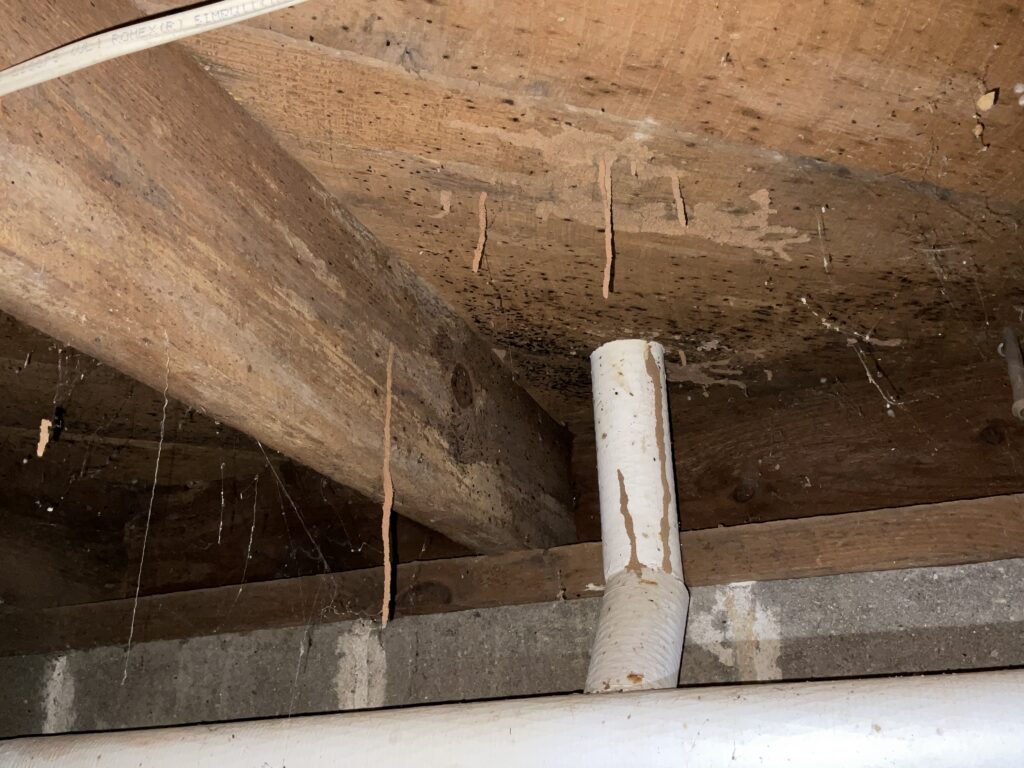
Termite shelter tubes are one of the visible signs that may be found when accessible areas of a home are inspected. Subterranean termites construct these tubes to travel between the soil and wood while remaining protected from the surrounding environment.
A shelter tube is documented as visible evidence; its presence alone does not confirm current active termite activity.
Wood-destroying insects are often attracted to damp wood and moisture-prone areas. Leaks, poor drainage, inadequate ventilation, wood-to-soil contact, and elevated crawlspace humidity can create conditions that increase the risk of insect activity and wood deterioration.
Leaks, poor drainage, and inadequate ventilation can create moisture-prone areas.
Wood-to-soil contact can create conditions that increase the risk of insect activity and wood deterioration.
A WDIR is based on visible and accessible conditions; hidden infestations may exist in inaccessible or concealed structural components.
A WDIR may be requested by a buyer, seller, or real estate professional during a transaction.
Requirements can vary depending on the loan program, transaction, property, and lender, so buyers should confirm any specific requirements with their lender or closing professional.
A WDIR may be requested when a property owner wants additional documentation about visible conditions.
Spire Home Inspection coordinates Wood-Destroying Insect Reports throughout Waynesville and Western North Carolina.
A Wood-Destroying Insect Report, commonly called a WDIR, documents visible evidence of wood-destroying insects and conditions that may contribute to infestation. The report may include evidence of termites, powderpost beetles, carpenter ants, and other wood-destroying organisms observed during the inspection.
A termite inspection is commonly used as a general term, but a WDIR may cover more than termites. It can also document visible evidence of other wood-destroying insects, such as powderpost beetles and carpenter ants, depending on the inspection and reporting requirements.
Spire Home Inspection coordinates the service with a licensed structural pest control professional. The pest-control professional performs the inspection and prepares the official report.
A WDIR may be requested by a buyer, seller, lender, real estate professional, or insurance provider. Requirements can vary depending on the loan program, transaction, property, and lender, so buyers should confirm any specific requirements with their lender or closing professional.
The licensed structural pest control professional typically examines accessible areas where wood-destroying insects or related damage may be visible. These may include crawlspaces, basements, foundations, framing, exterior wood components, decks, porches, and other accessible areas of the property.
Visible signs may include shelter tubes, damaged wood, insect activity, exit holes, frass, staining, moisture-related deterioration, or other conditions that may indicate current or previous wood-destroying insect activity.
No. A WDIR is based on visible and accessible conditions at the time of the inspection. Hidden infestations may exist behind walls, beneath flooring, inside inaccessible areas, or in concealed structural components.
Wood-destroying insects are often attracted to damp wood and moisture-prone areas. Leaks, poor drainage, inadequate ventilation, wood-to-soil contact, and elevated crawlspace humidity can create conditions that increase the risk of insect activity and wood deterioration.
Yes. Spire Home Inspection can coordinate the WDIR with your home inspection for added convenience. Because the WDIR is performed by a pest-control professional, scheduling and report delivery may differ from the home inspection report.
The official report is generally delivered after the pest-control specialist completes the inspection and prepares the documentation.
Yes. Spire Home Inspection coordinates Wood-Destroying Insect Reports throughout Waynesville and Western North Carolina, including Haywood, Buncombe, Jackson, Macon, Swain, Henderson, Madison, Transylvania, Graham, Clay, Cherokee, and Yancey Counties.
Call (828) 550-4143 to coordinate a Wood-Destroying Insect Report for your property or transaction.
NC Home Inspector License #3611