
Why Aluminum Wiring Was Used
Aluminum was approved for electrical applications and became an economical alternative when copper prices and demand increased. Because aluminum conducts electricity differently from copper, a larger aluminum conductor is generally needed to carry an equivalent electrical load.
Aluminum is softer than copper and can be damaged when it is improperly handled, bent, or installed. The installation materials and devices must also be compatible with aluminum conductors.
The Main Concern Is Usually the Connection
Aluminum conductors expand and contract as electrical loads and temperatures change. Older switches, receptacles, connectors, and terminals were not always designed to accommodate the characteristics of aluminum branch wiring.
An incompatible, damaged, oxidized, or loose connection can develop increased electrical resistance. This may result in overheating, arcing, damage to the device or conductor, and an increased fire risk.
The concern is therefore commonly associated with the condition and compatibility of the connections, not simply the fact that the conductor is aluminum.
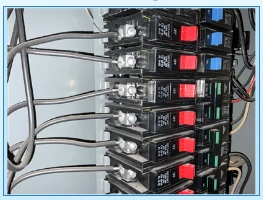
Branch Wiring Is Different From Larger Aluminum Conductors
Small solid-aluminum branch-circuit wiring may serve receptacles, switches, lights, and other general household circuits.
Larger aluminum conductors are still commonly encountered at service entrances, panel feeders, ranges, dryers, heating equipment, and other higher-amperage installations. Larger conductors and their listed terminals are not automatically subject to the same concerns as older small branch-circuit wiring.
The conductor size, application, termination, condition, and compatibility of the connected equipment must all be considered.
Repair and Improvement Options
The appropriate repair depends on the wiring system, condition, devices, connections, and accessibility. Possible recommendations may include complete replacement with copper wiring or approved connection repairs performed with equipment and methods intended for aluminum-to-copper connections.
Not every connector or pigtail method is considered an equivalent permanent repair. Repairs should be selected and completed by a licensed electrical contractor who is familiar with aluminum branch-circuit wiring.
Insurance Considerations
Insurance requirements vary between companies. An insurer may request documentation showing that aluminum branch-circuit wiring has been evaluated or professionally repaired before coverage is issued or renewed.
Homeowners and buyers should contact their insurance provider directly to determine its current underwriting requirements for the specific property.
What Happens During a Home Inspection?
When visible and readily accessible solid aluminum branch-circuit wiring is observed during a home inspection, it is documented in the inspection report.
A home inspection cannot expose every concealed conductor or verify every electrical connection in the home. When aluminum branch-circuit wiring is present or suspected, a licensed electrical contractor should evaluate the electrical system and recommend any appropriate repairs or improvements.